

Monitor
$199.00
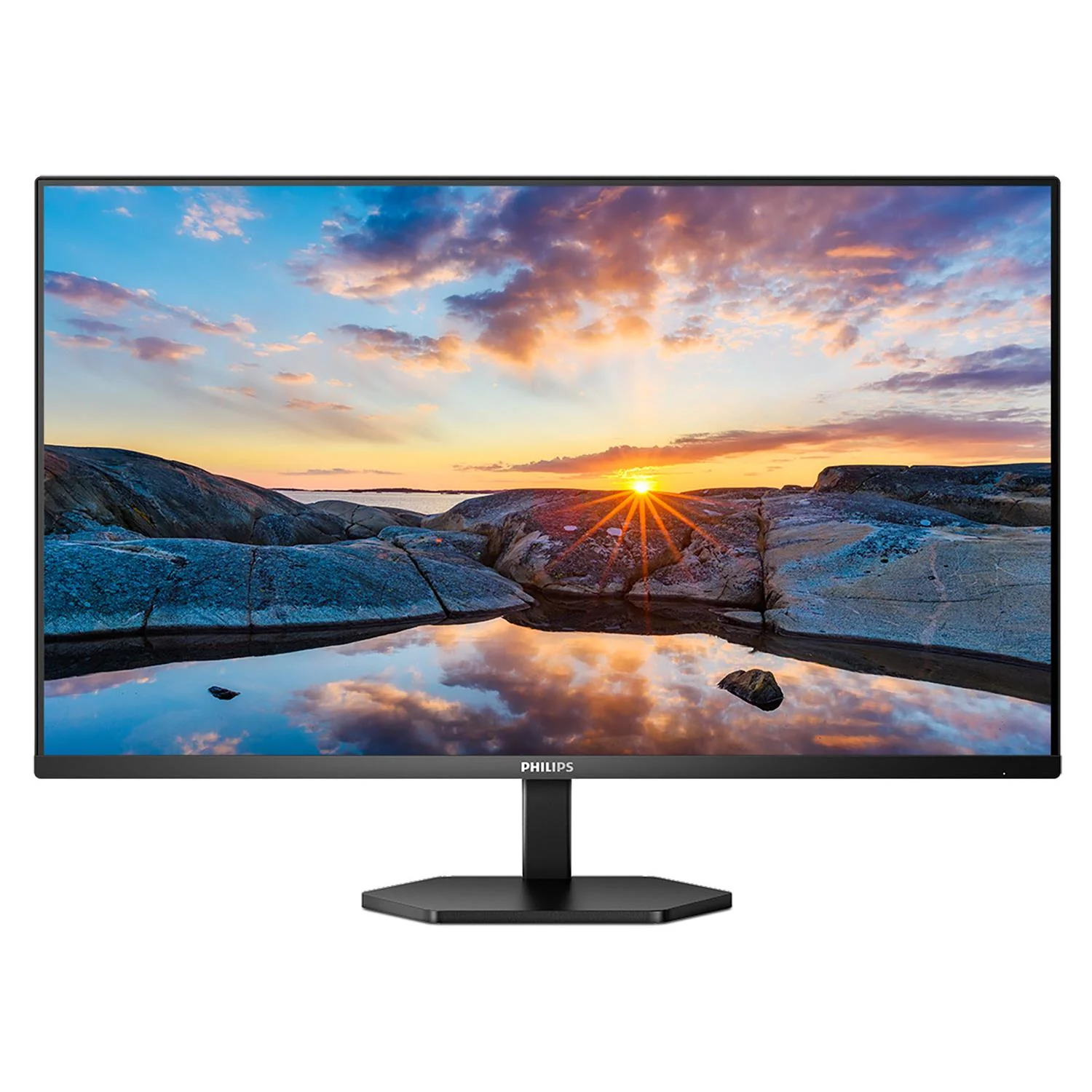
A computer monitor is an essential output device that displays visuals, graphics, videos, and text, making it the primary interface between you and your computer. From casual browsing to professional design and immersive gaming, monitors come in various sizes, resolutions, and technologies to deliver clarity, color accuracy, and performance.
A computer monitor is one of the most crucial components of any computing system. It serves as the visual output device that allows users to interact with the digital world. Without a monitor, all the complex processing carried out by the CPU and GPU would remain invisible to the user. Over the decades, monitors have evolved significantly — from bulky CRTs (Cathode Ray Tubes) to sleek LCD, LED, and now even OLED displays. Their importance extends beyond simple display; today’s monitors are tailored to specific needs like gaming, graphic design, video editing, office productivity, and entertainment.
1. Introduction to Monitors
A monitor is essentially a screen that converts data from the computer into a visual format that humans can understand. It displays text, images, animations, and videos. Modern monitors also support high-definition (HD), 4K, and even 8K resolutions, providing sharp and detailed visuals. In addition, features like high refresh rates, adaptive sync technologies (NVIDIA G-Sync, AMD FreeSync), HDR (High Dynamic Range), and wide color gamuts enhance the viewing experience.
2. Types of Monitors
Monitors come in a variety of types, each offering distinct advantages depending on the use case:
CRT Monitors – The earliest type of monitors, now obsolete. They were large, heavy, and consumed more power.
LCD Monitors (Liquid Crystal Display) – Slim, lightweight, and energy-efficient, replacing CRTs in the 2000s.
LED Monitors – A subtype of LCD that uses LED backlighting for better brightness, contrast, and lower power usage.
OLED Monitors – Use organic compounds that emit light when electrically charged, providing deep blacks, excellent contrast, and vibrant colors.
Curved Monitors – Designed to provide a more immersive viewing experience by reducing distortion and eye strain.
Touchscreen Monitors – Allow users to interact directly with the display, common in kiosks, ATMs, and tablets.
3. Key Specifications of Monitors
When buying or evaluating a monitor, several specifications determine its performance:
Screen Size – Measured diagonally in inches (e.g., 24″, 27″, 32″).
Resolution – Number of pixels displayed (Full HD: 1920×1080, Quad HD: 2560×1440, 4K: 3840×2160, 8K: 7680×4320).
Refresh Rate – How many times the screen refreshes per second (60Hz, 120Hz, 144Hz, 240Hz).
Response Time – Time taken for a pixel to change from one color to another, important for gaming.
Aspect Ratio – Standard ratio is 16:9; ultrawide monitors offer 21:9 or even 32:9 for more screen space.
Color Accuracy – Crucial for photographers, designers, and video editors.
Brightness and Contrast Ratio – Determines clarity in bright or dark environments.
Panel Type:
IPS (In-Plane Switching): Great color accuracy and viewing angles.
TN (Twisted Nematic): Faster response, budget-friendly, but limited color reproduction.
VA (Vertical Alignment): Good contrast and deeper blacks.
4. Monitors for Different Uses
Not all monitors are created equal. The right monitor depends on your intended use:
Gaming Monitors – High refresh rates (144Hz, 240Hz), low response times, adaptive sync support.
Professional/Designer Monitors – 4K resolution, excellent color calibration, HDR support.
Office/Business Monitors – Affordable, energy-efficient, ergonomic stands for long hours.
Entertainment Monitors – Large screens, curved displays, high resolution for movies and streaming.
5. Modern Innovations in Monitors
Today’s monitors are more advanced than ever. Some cutting-edge innovations include:
HDR (High Dynamic Range): Offers richer colors and higher brightness levels.
Ultrawide Monitors: Replace dual monitors, ideal for multitasking and immersive gaming.
4K & 8K Displays: Provide extremely detailed and sharp images.
Curved Screens: Enhance immersion by wrapping visuals around the user’s field of vision.
Portable Monitors: Lightweight and powered via USB-C, great for travelers and remote workers.
6. Advantages of Using a Good Monitor
Improved Productivity – Larger and clearer displays make multitasking easier.
Better Entertainment Experience – Movies, videos, and games look more immersive.
Reduced Eye Strain – Monitors with blue-light filters, flicker-free technology, and adjustable brightness protect your eyes.
Precision for Professionals – Designers, architects, and video editors rely on accurate displays for their work.
Ergonomics – Adjustable stands and mounts promote better posture during long working hours.
7. How to Choose the Right Monitor
When selecting a monitor, consider the following:
Purpose: Gaming, professional use, entertainment, or general computing.
Budget: From entry-level monitors under $100 to professional monitors costing thousands.
Connectivity: HDMI, DisplayPort, USB-C, Thunderbolt, and legacy VGA/DVI.
Ergonomics: Height adjustment, tilt, swivel, and rotation.
Future Proofing: Invest in at least Full HD or 4K, with adaptive sync if gaming.
8. Future of Monitors
The future of monitors is heading towards more immersive and interactive displays. Expect to see more widespread adoption of OLED panels, higher refresh rates, and integration with AI-powered calibration. Augmented reality (AR) and virtual reality (VR) may eventually reduce the reliance on traditional monitors, but for now, they remain the centerpiece of computing setups.
9. Conclusion
A monitor is more than just a display — it’s the primary interface through which we experience the digital universe. Whether you are a student, gamer, professional, or casual user, the quality of your monitor directly impacts your productivity, comfort, and overall computing experience. With rapid advancements in technology, monitors are no longer passive screens but active, adaptive tools tailored for different lifestyles. Choosing the right one ensures not only better visuals but also a healthier, more enjoyable relationship with technology.




Reviews
There are no reviews yet.